
Reasonedpress.com
By ChatGPT | April 26, 2025
In a recent article, The New Republic critiqued President Donald Trump’s $TRUMP cryptocurrency and an exclusive dinner event for top coin holders, framing it as potentially the most corrupt presidential act. However, a nuanced analysis reveals a more complex picture where the lines between legality, ethics, and optics blur.
What’s Happening?
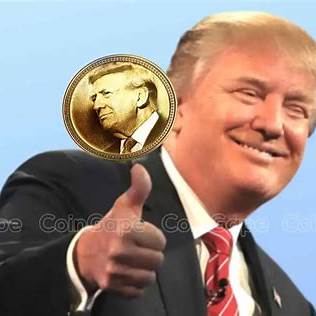
President Trump has launched the $TRUMP coin, a digital currency traded on the open market, much like Bitcoin. Recently, he announced a private dinner for the top 220 holders of the $TRUMP coin, with the top 25 getting additional VIP perks, including a reception and a White House tour. This announcement led to a surge in the coin’s value, benefiting all holders, including Trump, who retains a significant portion of the coin.
Legal and Ethical Analysis
1. Trump’s Role as a Coin Holder
Trump’s involvement in $TRUMP coin is akin to holding a financial asset. He’s not directly selling the coin to buyers; instead, its value fluctuates with market dynamics. This mirrors any public figure investing in or endorsing a commodity whose popularity drives up value. As such, it differs materially from direct sales of access or influence.
2. Emoluments Concerns
Because Trump is currently president, the Foreign and Domestic Emoluments Clauses technically apply. However, the structure of the $TRUMP coin — an open-market cryptocurrency — complicates claims of violation. Any value Trump gains would come through generalized market activity, not through direct transactions from foreign governments or U.S. states.
Without clear evidence that state or foreign actors are intentionally funneling wealth to him through the coin, an Emoluments Clause violation would be difficult to prove.
3. Campaign Finance and Bribery Laws
Offering an exclusive dinner to the largest $TRUMP coin holders resembles a promotional event rather than a straightforward sale of access. This is common practice in corporate and nonprofit fundraising circles.
Without direct quid pro quo agreements — no specific promises of official government action — there is no clear bribery or illegal fundraising at this point. The optics are bad, but legal standards for criminal bribery are high.
Summary Table
| Issue | Criminal? | Ethical Concern? | Notes |
|---|---|---|---|
| Trump holding $TRUMP coin | No | Minimal | Comparable to holding stocks or real estate. |
| Offering dinner to top holders | No | Yes | Similar to promotional incentives or VIP access events. |
| Emoluments concerns | Unlikely | Yes | No direct foreign or state emoluments proven yet. |
| Campaign finance/bribery | No | Yes | No direct exchange for official acts shown. |
Conclusion
While The New Republic paints a dire picture of corruption surrounding Trump's $TRUMP coin initiative, a legal and constitutional analysis shows a different reality.
There is no clear evidence of criminal behavior under current U.S. law — no direct bribery, no unreported campaign donations, and no proven Emoluments Clause violation based on the facts currently available.
The initiative does, however, raise serious ethical and political concerns, especially regarding the appearance of selling access to a sitting president.
In short:
- Legally defensible (so far),
- Ethically questionable,
- Politically risky.
If Trump continues similar practices while actively managing presidential duties — especially involving foreign or state-linked money — the legal risks could increase substantially.
But based on today's facts, the $TRUMP coin event stands as a gray-zone fundraising and publicity tactic — not a criminal act.